Brain Tumour Surgery
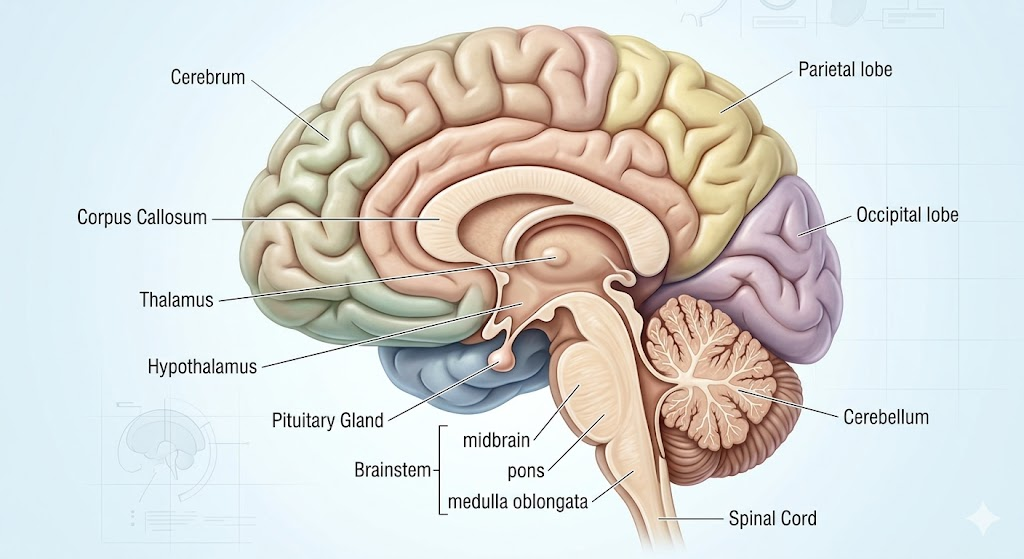
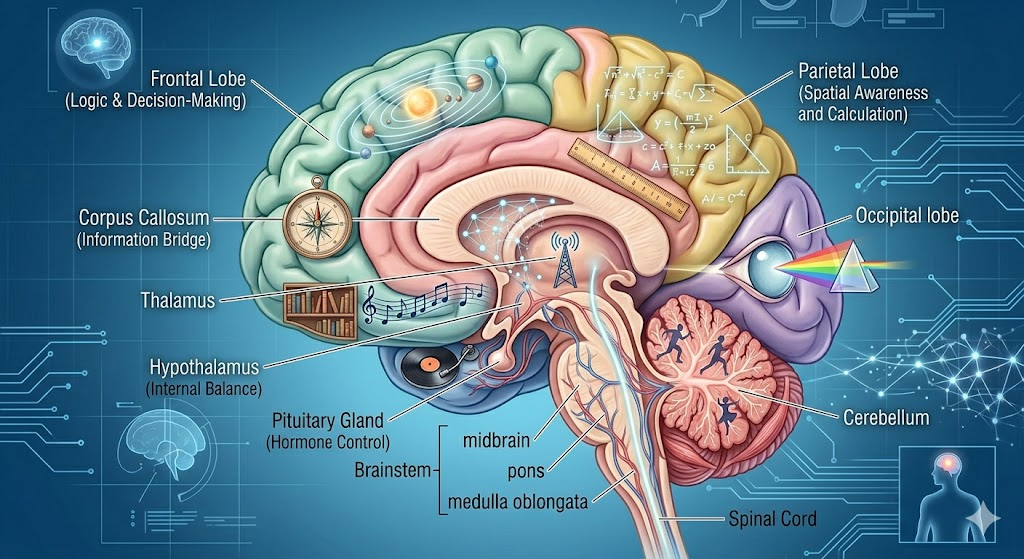
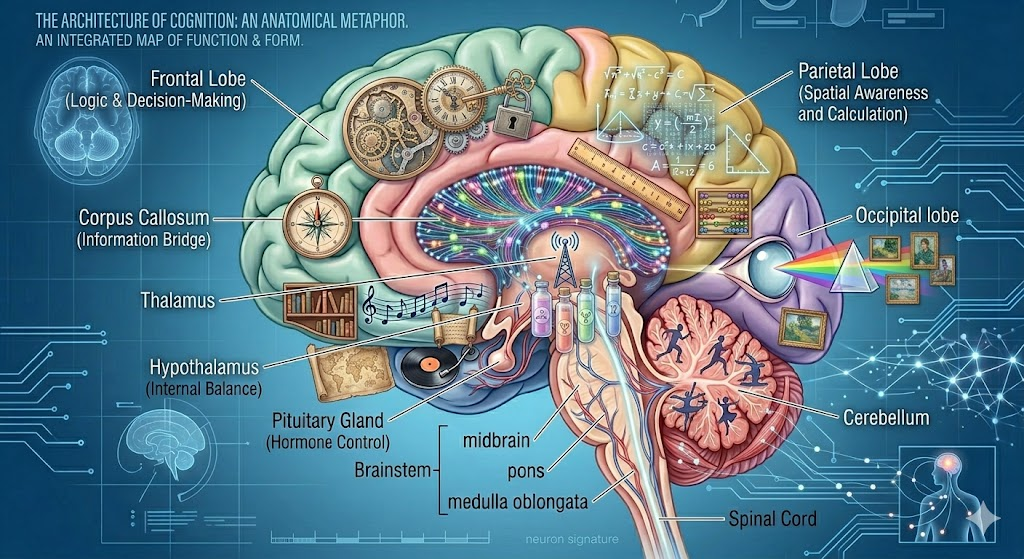
Brain tumour surgery is a medical procedure performed to remove abnormal growths or tumours from the brain. It is one of the most common and effective treatments for brain tumours and is usually recommended to reduce pressure on the brain, relieve symptoms, and improve overall brain function. The surgery is performed by highly specialized neurosurgeons using advanced technology and precision techniques. Brain tumours can be either benign (non-cancerous) or malignant (cancerous). Depending on the size, type, and location of the tumour, surgery may be used alone or combined with radiation therapy, chemotherapy, or targeted treatments.
Awake craniotomy with brain & brainstem mapping Intraoperative ultrasound-guided resection
Awake craniotomy with brain and brainstem mapping is an advanced neurosurgical procedure performed to safely remove brain tumours or abnormal tissues located near critical areas of the brain that control speech, movement, sensation, vision, and other vital functions. During this procedure, the patient remains awake for a portion of the surgery so surgeons can continuously monitor brain activity and preserve important neurological functions.
This highly specialized technique helps neurosurgeons remove the maximum amount of tumour while minimizing damage to healthy brain tissue.
Skull Base Surgery
Skull base surgery is a highly specialized neurosurgical procedure used to treat tumors, abnormalities, and disorders located at the base of the skull. The skull base is a complex area that separates the brain from important structures such as the eyes, ears, nose, spinal cord, and major blood vessels and nerves. Surgery in this region requires advanced technology, precision techniques, and a multidisciplinary team of neurosurgeons and ENT specialists.
Skull base surgery is performed to remove tumors, repair defects, relieve pressure on nerves, and restore normal brain function while preserving surrounding healthy tissues.
Endoscopic pituitary surgery
Endoscopic pituitary surgery is a minimally invasive neurosurgical procedure used to remove tumors or abnormalities from the pituitary gland. The pituitary gland is a small but important gland located at the base of the brain that controls hormone production and regulates many body functions such as growth, metabolism, reproduction, and stress response.
This advanced surgical technique is commonly performed through the nose using a thin tube called an endoscope, allowing surgeons to access the pituitary gland without making large external incisions.
Neurotrauma & Emergency
Neurotrauma and emergency care involves the rapid diagnosis and treatment of serious injuries affecting the brain, spine, and nervous system. These conditions are medical emergencies that require immediate attention to prevent permanent neurological damage, disability, or life-threatening complications.
Neurotrauma can result from road accidents, falls, sports injuries, workplace trauma, violence, or sudden medical conditions affecting the nervous system. Advanced neurocritical care and emergency neurosurgical management play a crucial role in saving lives and improving recovery outcomes.
Head Injury Surgery
Head injury surgery is an emergency neurosurgical procedure performed to treat serious injuries affecting the brain, skull, or surrounding tissues after trauma. Severe head injuries can result from road accidents, falls, sports injuries, assaults, or workplace accidents and may lead to life-threatening complications if not treated immediately.
The goal of head injury surgery is to reduce pressure on the brain, control bleeding, remove blood clots, repair skull fractures, and prevent further brain damage.
Brain hemorrhage (traumatic & spontaneous)
Brain hemorrhage is a serious medical condition in which bleeding occurs inside or around the brain. It is a life-threatening neurological emergency that requires immediate medical attention. Brain hemorrhage can damage brain tissues, increase pressure inside the skull, and affect vital brain functions.
Brain hemorrhages are mainly classified into two types:
- Traumatic Brain Hemorrhage – caused by head injury or trauma
- Spontaneous Brain Hemorrhage – occurs without injury, often due to medical conditions such as high blood pressure or ruptured blood vessels
Stroke Surgery
Stroke surgery is performed to restore blood flow to the brain, remove blood clots, repair damaged blood vessels, or reduce pressure caused by bleeding or swelling in the brain. A stroke is a serious medical emergency that occurs when the brain’s blood supply is interrupted, leading to damage of brain cells within minutes.
Timely diagnosis and advanced surgical treatment can help save brain function, reduce disability, and improve recovery outcomes.
Functional Neurosurgery
Functional neurosurgery is a specialized branch of neurosurgery that focuses on treating disorders affecting the function of the nervous system rather than structural abnormalities such as tumors or trauma. It involves advanced surgical techniques used to improve movement, control pain, manage epilepsy, and treat neurological and psychiatric disorders.
Functional neurosurgery uses precise brain mapping, neurostimulation, and minimally invasive technologies to target specific areas of the brain, spinal cord, or nerves while preserving surrounding healthy tissue.
Deep brain stimulation (DBS) for movement disorders
Deep Brain Stimulation (DBS) is an advanced and highly effective neurosurgical treatment used to manage movement disorders that do not respond well to medications. The procedure involves implanting thin electrodes into specific areas of the brain to deliver controlled electrical impulses that regulate abnormal brain activity.
DBS helps improve movement, reduce symptoms, and enhance quality of life for patients suffering from neurological disorders affecting motor control.
Trigeminal neuralgia surgery
Trigeminal neuralgia surgery is a specialized neurosurgical treatment used to relieve severe facial pain caused by trigeminal neuralgia, a chronic nerve disorder affecting the trigeminal nerve. This condition causes sudden, sharp, electric shock-like pain on one side of the face and can significantly affect daily life.
Surgery is usually recommended when medications no longer provide adequate relief or when symptoms become severe and disabling.
Hemifacial spasm surgery
Hemifacial spasm surgery is a specialized neurosurgical procedure performed to treat involuntary twitching or spasms of the facial muscles caused by irritation or compression of the facial nerve. Hemifacial spasm usually affects one side of the face and may gradually worsen over time, interfering with vision, speech, and daily activities.
Surgery is considered one of the most effective long-term treatments for patients with persistent or severe symptoms that do not respond well to medications or injections.
Hydrocephalus & CSF Disorders
Hydrocephalus and cerebrospinal fluid (CSF) disorders are neurological conditions caused by abnormal production, circulation, or drainage of cerebrospinal fluid within the brain and spinal cord. Cerebrospinal fluid is a clear fluid that protects the brain, delivers nutrients, and removes waste products. When CSF flow becomes blocked or imbalanced, fluid can accumulate inside the brain, increasing pressure and damaging brain tissue.
These conditions can affect infants, children, adults, and elderly patients and often require specialized neurological or neurosurgical treatment.
Shunt surgery (VP shunt)
Ventriculoperitoneal (VP) shunt surgery is a common neurosurgical procedure used to treat hydrocephalus and other cerebrospinal fluid (CSF) disorders. The surgery helps drain excess fluid from the brain and relieve increased pressure inside the skull.
A VP shunt is a thin, flexible tube system that diverts excess cerebrospinal fluid from the brain’s ventricles to the abdominal cavity, where the fluid is safely absorbed by the body.
Endoscopic Third Ventriculostomy (ETV)
Endoscopic Third Ventriculostomy (ETV) is a minimally invasive neurosurgical procedure used to treat hydrocephalus by restoring the normal flow of cerebrospinal fluid (CSF) within the brain. Unlike VP shunt surgery, ETV does not require implantation of a permanent shunt system.
The procedure is performed using a neuro-endoscope, a thin tube equipped with a camera and surgical instruments, allowing surgeons to create a new pathway for cerebrospinal fluid circulation and relieve pressure inside the brain.
Chiari Malformation Decompression
Chiari malformation decompression is a specialized neurosurgical procedure performed to treat Chiari malformation, a condition in which brain tissue extends downward into the spinal canal through the opening at the base of the skull. This abnormal positioning can place pressure on the brain, spinal cord, and cerebrospinal fluid (CSF) pathways, leading to neurological symptoms and complications.
Craniosynostosis surgery
Chiari malformation decompression is a specialized neurosurgical procedure performed to treat Chiari malformation, a condition in which brain tissue extends downward into the spinal canal through the opening at the base of the skull. This abnormal positioning can place pressure on the brain, spinal cord, and cerebrospinal fluid (CSF) pathways, leading to neurological symptoms and complications.